

For people who want to learn, grow, get inspired, and stay silly.
Cute! Just another cute photo of Gertie
It's just another cute photo of Gertie - who could possibly resist? Nobody! That's right, nobody.

Singalong! Baby I Love You by The Ramones
I never thought I would say this, but I love Spotify! If you don't know this music streaming service, check it out. One of their most excellent features is the Discover Weekly playlist, where their magical algorithms pick out new music for you, and it is honestly so amazing. Never has a computer known me so well. Mine generally features a wonderful assortment of covers, and this morning I came across this awesome cover of The Rosettes' Baby I Love You by The Ramones.
(PS: This is definitely not a sponsored post for Spotify - I just really like them.)
(PS: This is definitely not a sponsored post for Spotify - I just really like them.)
BABY I LOVE YOU
The Ramones
Have I ever told you
How good it feels to hold you
It isn't easy to explain
And though I'm really tryin'
I think I may start cryin'
My heart can't wait an other day
When you kiss me I just gotta
Kiss me I just gotta
Kiss me I just gotta say :
Baby, I love you
Come on baby
Baby, I love you
Baby I love, I love only you
I can't live without you
I love everything about you
I can't help it if I feel this way
Oh I'm so glad I found you
I want my arms around you
I love to hear you call my name
Oh tell me that you feel
Tell me that you feel
Tell me that you feel the same
Baby, I love you
Come on baby
baby, I love you
Baby I love, I love only you
 |
| Photo by Helge Øverås |
Learning: Are there really good guy vigilantes with guns?
 |
| From the New York Public Library |
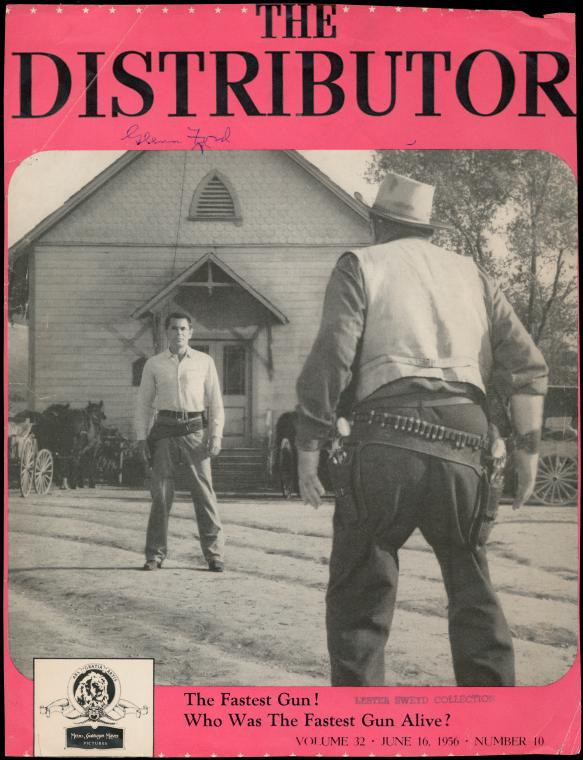
Here in Canada, we've had our first tragic school shooting in a very long time. (According to Wikipedia, the last one was in 2014 - sooner than I though, to be honest, which is really heartbreaking.) In La Loche, Saskatchewan, four people have died at the hands of a teenaged gunman in a school. This is really, really terrible.
Now, this is in the wake of 2015, the year that America had a school shooting for every week of the year. That is insanely tragic. It's mind-boggling. It makes me feel just lying down on the ground and not moving, because how on earth can we have so much of this large-scale violence?
The gun control arguments in the US are raging strong, and one of the arguments is that so long as bad guys have guns, good guys need to have guns to stop them.
Here are a few facts about the "good guy with the gun":
Between 2000-2013, 13 percent of shootings were stopped by unarmed civilians who successfully restrained/stopped the shooter. In three percent, an armed civilian stopped them, and in all but ONE of those situations, the armed civilian was a former police officer or security professional with extensive firearms training.
29 of the mass shootings since 2007 were carried out by people with permits to carry concealed weapons. That's more than three times the number of people with gun permits who stopped crime.
A University of California-San Francisco study found that gun owners were three times more likely to commit suicide.
More people were killed by toddlers playing with guns than by terrorists in 2015.
So I guess the answer to the question of the good citizen with the gun is, "yes, there is a good citizen with a gun - they are a police officer or other trained professional."
Source.
Me & Ryan Gosling: at a cast party
A few summers ago I workshopped a musical and afterwards, Ryan and I hosted the cast at a party. Obviously, a goofy photo ensued.


Inspiration! Manifesto of a Doer
The DO Lectures is a conference and workshop series that originated in Wales, and it's all about people getting together to talk about and encourage each other in DOING things. Sounds cool, and I look forward to checking out their online videos.
In the meantime, here is their manifesto of a DOER:

Full disclosure: I thoroughly disagree with a few items in their manifesto. I don't think deadlines always have to be panic-inducing, for example. But I love the idea of making a habit of completing projects, that ideas only change the world if you act on them, of prioritizing your day, of the "sprint, rest" model of work, of making a plan and then letting it shift, and the power of little actions building up to big changes.
What can you adopt into your manifesto? Maybe you adopt five things, maybe all 23, maybe just one, because you can do one little change at a time (and look at that, it will build up to a big change eventually.)
Via
(Follow my blog with Bloglovin)
In the meantime, here is their manifesto of a DOER:
Full disclosure: I thoroughly disagree with a few items in their manifesto. I don't think deadlines always have to be panic-inducing, for example. But I love the idea of making a habit of completing projects, that ideas only change the world if you act on them, of prioritizing your day, of the "sprint, rest" model of work, of making a plan and then letting it shift, and the power of little actions building up to big changes.
What can you adopt into your manifesto? Maybe you adopt five things, maybe all 23, maybe just one, because you can do one little change at a time (and look at that, it will build up to a big change eventually.)
Via
(Follow my blog with Bloglovin)
Cute! Gertie the master pianist
You may not have realized it, but Gertie is a master pianist. Here, she takes a quick break in between movements.

Singalong! The Middle by Jimmy Eat World
This song was really popular when I was in grade 11, and I would refer to it as the CAPP song. CAPP stood for Career and Personal Planning. It was a mandatory class that we all had to take where we would learn about everything from the dangers of sex (STDs, guys! Babies!), drugs, and alcohol. Then we would take a career aptitude test to "help us plan our futures" and there would be lots of self-esteem talk throughout. Hence this song being the CAPP song.
Feel good! Be yourself! Don't worry, things will get better! Of course, as with most things, I can talk about this with a bit of nostalgic jest, but really, it's still a good reminder to everyone everywhere.

Feel good! Be yourself! Don't worry, things will get better! Of course, as with most things, I can talk about this with a bit of nostalgic jest, but really, it's still a good reminder to everyone everywhere.
THE MIDDLE
by Jimmy Eat World
Hey, don't write yourself off yet
It's only in your head you feel left out or looked down on.
Just try your best, try everything you can.
And don't you worry what they tell themselves when you're away.
It just takes some time,
Little girl, you're in the middle of the ride.
Everything, everything will be just fine,
Everything, everything will be alright, alright.
Hey, you know they're all the same.
You know you're doing better on your own (on your own), so don't buy in.
Live right now, yeah, just be yourself.
It doesn't matter if it's good enough (good enough) for someone else.
It just takes some time,
Little girl, you're in the middle of the ride.
Everything, everything will be just fine,
Everything, everything will be alright, alright.
It just takes some time,
Little girl, you're in the middle of the ride.
Everything, everything will be just fine,
Everything, everything will be alright, alright.
Hey, don't write yourself off yet.
It's only in your head you feel left out or looked down on.
Just do your best (just do your best), do everything you can (do everything you can).
And don't you worry what the bitter hearts are gonna say.
It just takes some time,
Little girl, you're in the middle of the ride.
Everything, everything will be just fine,
Everything, everything will be alright, alright.
It just takes some time,
Little girl, you're in the middle of the ride.
Everything, everything will be just fine,
Everything, everything will be alright.
Learning! Stereotype Threat
Every once and a while, I like to put on my "I got an undergrad degree in psychology and therefore like to talk about psych theories a lot" hat. This is one of those times, and this time I want to talk about Stereotype Threat.
What is Stereotype Threat?
Stereotype Threat is when a person unconsciously confirms a stereotype about themselves after being reminded of it. The most commonly cited example of this (probably because it's been researched a lot) is women and math. Cue a woman to think about her gender before doing a math test, and she instantly performs less well both than men and than she would have without that reminder.
The incredible thing is that these stereotypes are so pervasive that testers don't even have to bring them up explicitly. All you need to do is prime a person to think about their gender and, if they are a woman, they will fill in the blanks.
Some of the tested Stereotype Threats include women and math, black people and performance on standardized tests, white people with regards to appearing racist, poverty and intelligence, men and social sensitivity, Christians and anti-science sentiments.
These are just the ones that have published research based on them, but let's think of every stereotype we can, and then imagine how many of the affected people are living into those stereotypes based on this. Kind of scary, right?
Stereotype Threat doesn't stop at making women bad at math and men less socially sensitive, though. It causes us to self-sabotage in those areas by devaluing them and thus practicing less.
A person doesn't even have to believe the stereotype about themselves for Stereotype Threat to work on them, because just being reminded that other people expect you to be racist or to be worse at standardized testing will cause enough anxiety to help you confirm it. Basically, you wind up spending enough mental energy worrying whether you will come across in a way that confirms a stereotype instead of just performing the task, that you wind up confirming it.
What do we do about it?
We can try to avoid reminding people of the stereotypes held against them, especially in sensitive areas. If you are a teacher, you can also stress that intelligence and performance are learned and that anyone can master a skill if they work at it. Another study has shown that having students write about something they value can help overcome Stereotype Threat.

Sources:
Reducing Stereotype Threat
Christians Are Bad at Science When You Remind Them A Lot of People Think Christians Are Bad at Science
Wikipedia
What is Stereotype Threat?
Stereotype Threat is when a person unconsciously confirms a stereotype about themselves after being reminded of it. The most commonly cited example of this (probably because it's been researched a lot) is women and math. Cue a woman to think about her gender before doing a math test, and she instantly performs less well both than men and than she would have without that reminder.
The incredible thing is that these stereotypes are so pervasive that testers don't even have to bring them up explicitly. All you need to do is prime a person to think about their gender and, if they are a woman, they will fill in the blanks.
Some of the tested Stereotype Threats include women and math, black people and performance on standardized tests, white people with regards to appearing racist, poverty and intelligence, men and social sensitivity, Christians and anti-science sentiments.
These are just the ones that have published research based on them, but let's think of every stereotype we can, and then imagine how many of the affected people are living into those stereotypes based on this. Kind of scary, right?
Stereotype Threat doesn't stop at making women bad at math and men less socially sensitive, though. It causes us to self-sabotage in those areas by devaluing them and thus practicing less.
A person doesn't even have to believe the stereotype about themselves for Stereotype Threat to work on them, because just being reminded that other people expect you to be racist or to be worse at standardized testing will cause enough anxiety to help you confirm it. Basically, you wind up spending enough mental energy worrying whether you will come across in a way that confirms a stereotype instead of just performing the task, that you wind up confirming it.
What do we do about it?
We can try to avoid reminding people of the stereotypes held against them, especially in sensitive areas. If you are a teacher, you can also stress that intelligence and performance are learned and that anyone can master a skill if they work at it. Another study has shown that having students write about something they value can help overcome Stereotype Threat.
Sources:
Reducing Stereotype Threat
Christians Are Bad at Science When You Remind Them A Lot of People Think Christians Are Bad at Science
Wikipedia
Me & Ryan Gosling: bringing coke to a party
Know what you can always count on if you invite Ryan to a party? He will come bearing Coke. As much as he can carry. I, on the other hand, will bring a cup.


The Artist's Way: My Week Two/Three Fail

Week Two of The Artist's Way has officially come and gone, we are halfway through Week Three, and all I've got is this lousy... well, nothing.
Okay, that's not quite true! I read the chapter last Sunday, I dutifully read the chapter for Week Two at the beginning of last week. I looked at the exercises and thought about them. Sadly, that's about it. I will feebly offer, with hopes for some credit, that I have been doing my Morning Pages every morning this whole time.
I know, right?
I kind of hate being one of those people who starts a big project with gusto and then has zero follow through. The excuse is the same as every excuse for everything: life has gotten really busy. The thing is, though, it's just gotten to its usual level of busyness for me, so I really should be ready to handle this.
So here's the plan: this weekend I have time set aside. I am going to start back at week two, but I'm going to be more intentional about planning when I do the exercises. I'm going to do this thing right, I swear!
Inspiration! What struggle is your struggle of choice?

“Who you are is defined by the values you are willing to struggle for. People who enjoy the struggles of a gym are the ones who get in good shape. People who enjoy long workweeks and the politics of the corporate ladder are the ones who move up it. People who enjoy the stresses and uncertainty of the starving artist lifestyle are ultimately the ones who live it and make it.”This is such a useful, and different, way to look at struggle, values, and outcomes! I love this as a new way of examining what we consider to be failures in our lives. If we haven't excelled in business, having a hot body, or whatever, perhaps we aren't a person who enjoys that particular struggle.
-Mark Manson
Then what? Well, then you have two choices: look at your life and what struggles you do enjoy and consider changing your priorities, or look at your life and what struggles you enjoy and consider how you can make your existing struggles similar (this may or may not be possible, but it's worth considering).
There is a third choice: don't change anything and be okay to just let this be something you half-ass throughout your entire life, seeing the same fluctuations in motivation and follow-through, with generally mediocre results.
This might sound kind of depressing, but it doesn't have to be. We can't have everything in life, and it is incredibly freeing to let go of things that just aren't right for us. Then we can focus on that thing we actually live for.
What is the work we cram in, whenever there's time, because we get such satisfaction out of that particular struggle?
Source.
Why Doctor Who might as well be Doctor God
At some point in a human existence, most of us spend some time grappling with the idea of God. For some, this grappling ends with a quick brush-off. Others (like me) wind up spending pretty much the rest of their lives working him out. The hardest part? If there is an all-powerful, non-corporeal being who is impossible to interact with in a direct way, how on earth can we even being to really understand him? (Heads up, I'm using the male pronoun here because English doesn't have a neutral, not because I think God is a man.)
That's where personifications come in. Characters like Aslan (of C.S. Lewis' The Lion, the Witch, and the Wardrobe - check the Wikipedia if you've never heard of it) are beloved by spiritual-types because he gives us phrases like, “he isn't safe, but he's good”, helping us grasp something incomprehensible in an omniscient deity's power and love.
I would like to submit, for you evaluation, criticism, and spiritual enlightenment, a new Aslan: The Doctor.

In a nutshell, The Doctor (of the BBC's Doctor Who) plumbs the depths of what it means to be an immortal, all-knowing creature with all of space and time at his disposal, and through it shows us something of what it might be like to be God in relationship with humans. He also comes back from the dead and saves the day, often dramatically and at the last second, like another deity we've heard of.
Here's how The Doctor helps me understand God:
1) He loves us. Like crazy.
The Doctor has an odd, deep, nonsensical love for humanity. He doesn't just think we're pretty cool; he loves us fiercely and actually marvels at us. There are many episodes where he goes on an unprovoked rant about how incredible humans are, citing our blundering inquisitiveness, our tenacity, and our capacity for love as evidence of our lovableness.
His love isn't blind, though. He sees our selfish, cruel, and destructive tendencies just as much as our good. He reacts to it with fury, getting so upset he banishes us from his sight. Yet, his love is untainted. He gets so mad that he can't even talk to us, but he still comes back to save us and spend time with us. Could this be unconditional love?
2) He fights for us.
The Doctor fights for us. Both in the obvious, saving-our-skins-from-big-scary-space-jerks kind of way, and in a subtler, relational way.
If an alien wants to crash a replica of the Titanic into Buckingham Palace, rest assured, he will stop it. (“God” save the queen?) He doesn't just see the big danger, though. He sees when his favourite couple's marriage is in danger, and he responds. He puts them into a situation where they have no choice but to communicate, where they need each other once again, and gives them a way to get over their pride and stay together.
4) He is, sometimes, absent.
The Doctor is always there for us – sort of. Yes, he saves humanity time and time again, but sometimes we are left to fend for ourselves.
When he leaves young Amelia Pond for five minutes and then doesn't come back for ten years, for all intents and purposes she has been abandoned. Let's think about this for a second: she lost her parents, was in a strange place, AND had a crack in her wall with people talking on the other side that no one believed her about. She finally meets someone who will help her. He says he has to leave but promises to come right back. Then, like everyone else in her life, he disappears. Faith? Out the door.
Watching the show, I know that the Doctor has not abandoned her. That he would have been back right on time except something bigger prevented him and she can't see that because he lives outside of space and time and she doesn't. In fact, by his clock, he was back in five minutes. His clock is just different from hers.
So how about a God who “hears” his peoples' cries after 40 years of slavery? Who we all feel abandoned by at one time or another? What string of wibblly-wobbly timey-whimey stuff is he running down?
5) He is sometimes restricted.
Along with the mystery of God's absence, can be the mystery of his inaction. Sometimes he acts, scooping people out of the way of oncoming cars, giving them jobs, healing their pain. Sometimes, though, he doesn't do a thing.
There is always a point in each companion's journey with The Doctor where he cannot, or will not, save someone they love. They inevitably scream at him, “What good are you, then?”, because when we encounter a being with supreme powers to save and heal, we start to expect them to use them all the time.
He looks into the eyes of the one he cannot save and says, with deep sorrow, “I'm sorry.” It's always heartbreaking, because you can see how badly he wants to help, but he can't. Perhaps something bigger is getting in the way, or perhaps the consequences of him crossing that line are too far-reaching. Whatever it is, he does not act and it hurts us all - him included.
God created a universe with rules and gave us free will. Perhaps he, too, is sometimes left to helplessly watch.
6) He is ridiculously loveable.
More than once, while watching Doctor Who, I have thought “why can't God be more like the Doctor? He's so personable and smart and quirky and funny and kind of sexy. People drop everything to travel with him.” Then I realized that, by the only accounts we have, when God was a human, people did drop everything to travel with him. All it took was an invitation and they were at his side.
Perhaps he wasn't the slow-speaking, pensive downer portrayed in most of his biopics. Maybe, just maybe, he was actually personable and fun. Weird to think about, right?
7) He gives second chances. A lot.
The Doctor will give second chances to every single cackling, crab-legged monster he encounters. He will stand, without a weapon or a shield, in front of a filthy creature bent on destruction, and he will not condemn it. Instead, he will ask it for its name, where it's from, and what it wants. He speaks its language.
No matter how great this alien-monster's wrong, he offers compassion and a chance to make it right. What better example of grace and redemption is there than a defenceless man who offers a loathsome, criminal creature love?
8) He needs us.
The Doctor not only loves humanity, but he needs it. Without his human companions, things get scary. He might go too far in taking out a villain or get too lost in his own power.
In church-going circles, people love to gloss over the parts in the Bible where God needs or is influenced by humanity, but maybe we should consider taking them at face value. What does it mean if a piddly human is actually able to change history by convincing God to save a city instead of destroying it?
Perhaps God needs to be in a relationship with us as much as we need to be in one with him? Maybe God, like The Doctor, shouldn't travel alone.
9) His story is bigger than us.
The Doctor lives outside of time. We see one tiny portion of the Doctor's story, selected for a televised narrative. Every once and a while the show will hint at his past and we will suddenly be reminded how much more there is to this one, tiny man, and that we will never fully understand him.
So are we left to understand God through our tiny, finite view of his story. No wonder he doesn't always make sense.

That's where personifications come in. Characters like Aslan (of C.S. Lewis' The Lion, the Witch, and the Wardrobe - check the Wikipedia if you've never heard of it) are beloved by spiritual-types because he gives us phrases like, “he isn't safe, but he's good”, helping us grasp something incomprehensible in an omniscient deity's power and love.
I would like to submit, for you evaluation, criticism, and spiritual enlightenment, a new Aslan: The Doctor.
In a nutshell, The Doctor (of the BBC's Doctor Who) plumbs the depths of what it means to be an immortal, all-knowing creature with all of space and time at his disposal, and through it shows us something of what it might be like to be God in relationship with humans. He also comes back from the dead and saves the day, often dramatically and at the last second, like another deity we've heard of.
Here's how The Doctor helps me understand God:
1) He loves us. Like crazy.
The Doctor has an odd, deep, nonsensical love for humanity. He doesn't just think we're pretty cool; he loves us fiercely and actually marvels at us. There are many episodes where he goes on an unprovoked rant about how incredible humans are, citing our blundering inquisitiveness, our tenacity, and our capacity for love as evidence of our lovableness.
His love isn't blind, though. He sees our selfish, cruel, and destructive tendencies just as much as our good. He reacts to it with fury, getting so upset he banishes us from his sight. Yet, his love is untainted. He gets so mad that he can't even talk to us, but he still comes back to save us and spend time with us. Could this be unconditional love?
2) He fights for us.
The Doctor fights for us. Both in the obvious, saving-our-skins-from-big-scary-space-jerks kind of way, and in a subtler, relational way.
If an alien wants to crash a replica of the Titanic into Buckingham Palace, rest assured, he will stop it. (“God” save the queen?) He doesn't just see the big danger, though. He sees when his favourite couple's marriage is in danger, and he responds. He puts them into a situation where they have no choice but to communicate, where they need each other once again, and gives them a way to get over their pride and stay together.
4) He is, sometimes, absent.
The Doctor is always there for us – sort of. Yes, he saves humanity time and time again, but sometimes we are left to fend for ourselves.
When he leaves young Amelia Pond for five minutes and then doesn't come back for ten years, for all intents and purposes she has been abandoned. Let's think about this for a second: she lost her parents, was in a strange place, AND had a crack in her wall with people talking on the other side that no one believed her about. She finally meets someone who will help her. He says he has to leave but promises to come right back. Then, like everyone else in her life, he disappears. Faith? Out the door.
Watching the show, I know that the Doctor has not abandoned her. That he would have been back right on time except something bigger prevented him and she can't see that because he lives outside of space and time and she doesn't. In fact, by his clock, he was back in five minutes. His clock is just different from hers.
So how about a God who “hears” his peoples' cries after 40 years of slavery? Who we all feel abandoned by at one time or another? What string of wibblly-wobbly timey-whimey stuff is he running down?
5) He is sometimes restricted.
Along with the mystery of God's absence, can be the mystery of his inaction. Sometimes he acts, scooping people out of the way of oncoming cars, giving them jobs, healing their pain. Sometimes, though, he doesn't do a thing.
There is always a point in each companion's journey with The Doctor where he cannot, or will not, save someone they love. They inevitably scream at him, “What good are you, then?”, because when we encounter a being with supreme powers to save and heal, we start to expect them to use them all the time.
He looks into the eyes of the one he cannot save and says, with deep sorrow, “I'm sorry.” It's always heartbreaking, because you can see how badly he wants to help, but he can't. Perhaps something bigger is getting in the way, or perhaps the consequences of him crossing that line are too far-reaching. Whatever it is, he does not act and it hurts us all - him included.
God created a universe with rules and gave us free will. Perhaps he, too, is sometimes left to helplessly watch.
6) He is ridiculously loveable.
More than once, while watching Doctor Who, I have thought “why can't God be more like the Doctor? He's so personable and smart and quirky and funny and kind of sexy. People drop everything to travel with him.” Then I realized that, by the only accounts we have, when God was a human, people did drop everything to travel with him. All it took was an invitation and they were at his side.
Perhaps he wasn't the slow-speaking, pensive downer portrayed in most of his biopics. Maybe, just maybe, he was actually personable and fun. Weird to think about, right?
7) He gives second chances. A lot.
The Doctor will give second chances to every single cackling, crab-legged monster he encounters. He will stand, without a weapon or a shield, in front of a filthy creature bent on destruction, and he will not condemn it. Instead, he will ask it for its name, where it's from, and what it wants. He speaks its language.
No matter how great this alien-monster's wrong, he offers compassion and a chance to make it right. What better example of grace and redemption is there than a defenceless man who offers a loathsome, criminal creature love?
8) He needs us.
The Doctor not only loves humanity, but he needs it. Without his human companions, things get scary. He might go too far in taking out a villain or get too lost in his own power.
In church-going circles, people love to gloss over the parts in the Bible where God needs or is influenced by humanity, but maybe we should consider taking them at face value. What does it mean if a piddly human is actually able to change history by convincing God to save a city instead of destroying it?
Perhaps God needs to be in a relationship with us as much as we need to be in one with him? Maybe God, like The Doctor, shouldn't travel alone.
9) His story is bigger than us.
The Doctor lives outside of time. We see one tiny portion of the Doctor's story, selected for a televised narrative. Every once and a while the show will hint at his past and we will suddenly be reminded how much more there is to this one, tiny man, and that we will never fully understand him.
So are we left to understand God through our tiny, finite view of his story. No wonder he doesn't always make sense.
Cute! Penelope the Puppy
You know how some dogs just look like little, adorable, stuffed animals? Here is one of those dogs. Her name is Penelope. She is so cute it's too much.

Subscribe to:
Posts (Atom)